What Are TMT Bars and Why Are They Important in Construction?
Introduction
When building a structure that will stand for decades, every material matters. TMT bars, also known as Thermo Mechanically Treated bars, are the unsung heroes of modern construction. These high-strength steel reinforcement bars are the backbone of every major structure you see around you—from residential homes to towering skyscrapers, bridges, and critical infrastructure projects.
But what makes TMT bars so special? Why do engineers and contractors insist on them for everything from small apartment buildings to massive dams? In this comprehensive guide, we'll explore everything you need to know about TMT bars, their manufacturing process, grades, benefits, and why choosing the right quality is crucial for your construction project.
What Are TMT Bars?
TMT bars (Thermo Mechanically Treated bars) are advanced steel reinforcement bars designed and manufactured through a specialized process that combines both heat treatment and mechanical working. This results in bars with superior strength, ductility, and longevity compared to traditional reinforcement bars.
The distinguishing feature of TMT bars is their unique structure: they have a strong outer layer (called the tempered martensite layer) and a tough, ductile inner core. This combination makes them exceptionally strong yet flexible—capable of withstanding both the crushing weight of structures and the unpredictable forces of natural disasters.
The TMT Manufacturing Process
Understanding how TMT bars are made helps explain why they're so effective. The manufacturing process involves several critical steps:
1. Steel Billets Heating: Steel billets are heated to extremely high temperatures (around 1,100°C) to make them malleable.
2. Hot Rolling: The heated steel passes through a series of rolling mills that shape the raw steel into bars while applying mechanical pressure.
3. Rapid Cooling (Quenching): This is the critical step. The hot-rolled bar exits the mill and is immediately cooled with high-pressure water jets. This rapid cooling creates the hard outer layer.
4. Self-Tempering: The core of the bar remains hot after the surface is quenched. This residual heat from the core flows outward and tempers the hardened outer layer, relieving brittleness while preserving its strength.
5. Cooling to Room Temperature: The bar gradually cools to room temperature, completing the transformation into a high-performance material.
This sophisticated process results in a microstructure that combines strength with flexibility—a property that's absolutely essential for construction in earthquake-prone regions.
Why TMT Bars Are Critical in Construction
TMT bars solve fundamental problems in concrete construction. Let's explore the key benefits:
1. Exceptional Tensile Strength
Concrete is strong when compressed but weak when pulled. TMT bars provide this tensile strength. When a building is subjected to heavy loads—the weight of floors, walls, and everything in them—TMT bars prevent cracks and collapse by holding the concrete together.
2. Superior Ductility & Earthquake Resistance
This is perhaps the most important benefit. Unlike older reinforcement methods, TMT bars can bend without breaking. During an earthquake, buildings need to flex and move. If your reinforcement is too brittle, it shatters. TMT bars absorb the seismic energy and allow the structure to move safely. This property is why they're mandated in earthquake-prone regions across India and the world.
3. Enhanced Bonding with Concrete
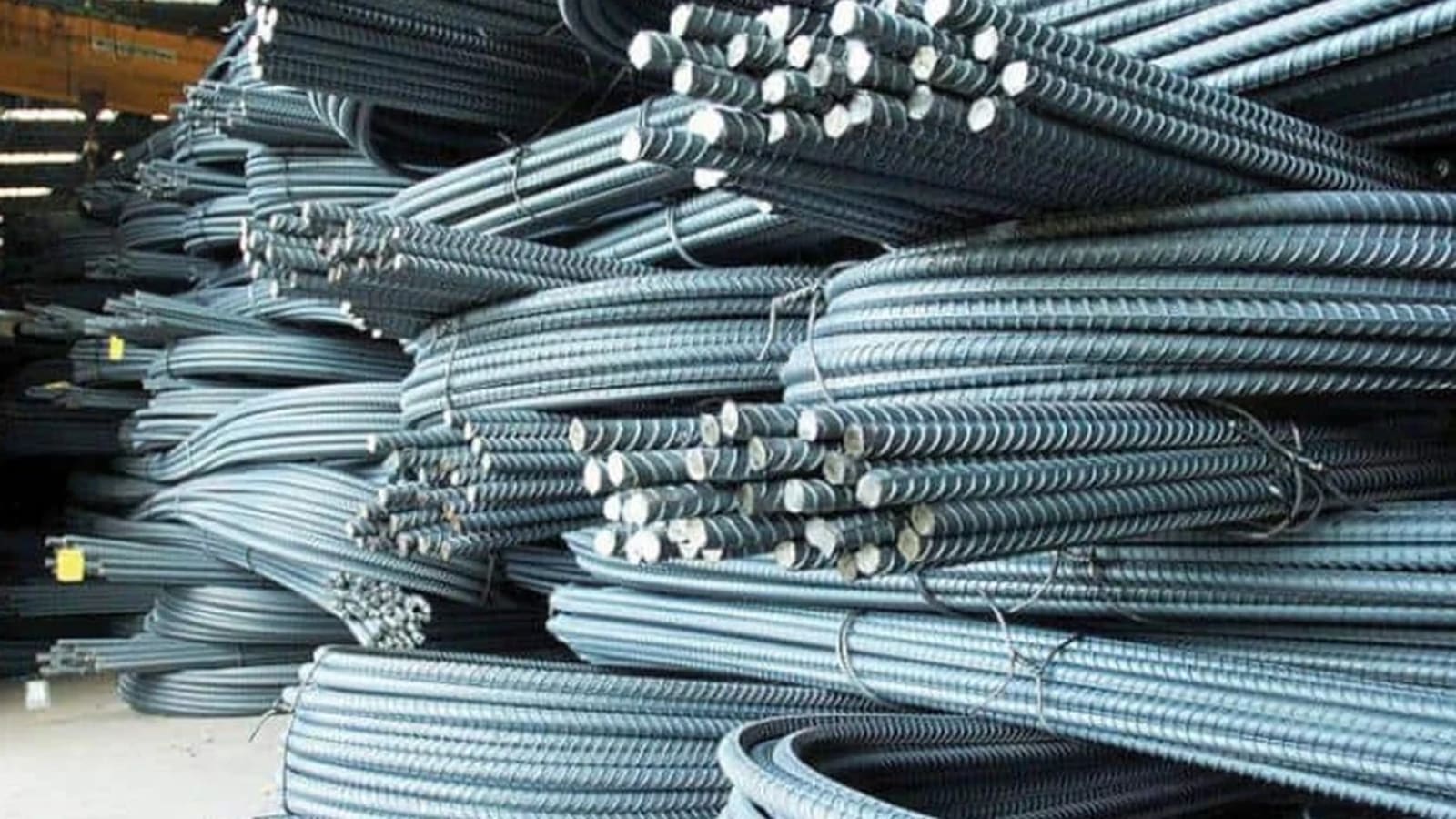
TMT bars feature a distinctive ribbed surface pattern. These ribs mechanically lock the bar to the surrounding concrete, creating a stronger bond. This prevents slipping and ensures that the steel and concrete work as one unit, distributing loads evenly throughout the structure.
4. Corrosion Resistance
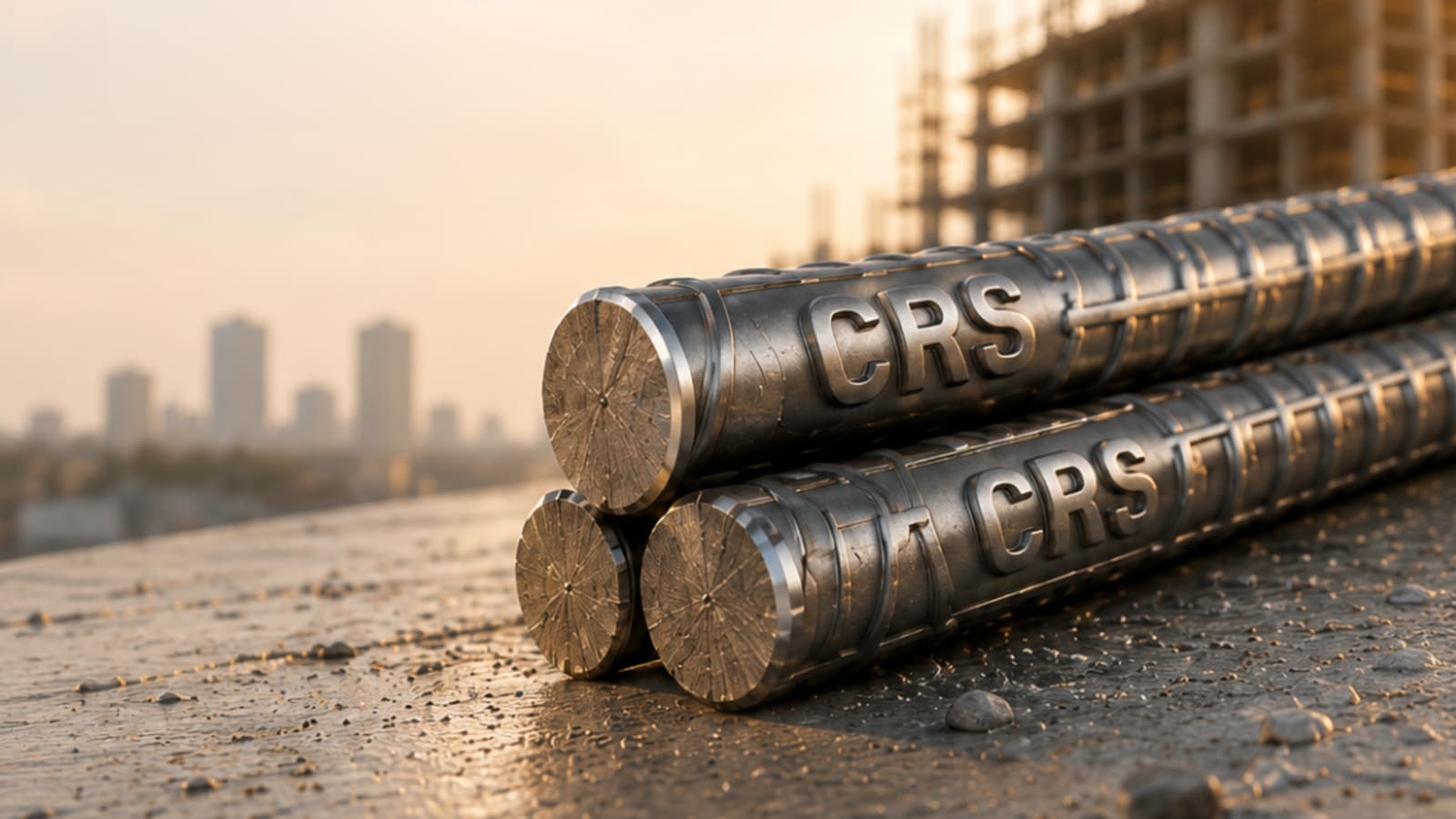
Many TMT bars, especially corrosion-resistant (CRS) grades, are manufactured with special alloying elements that resist rust and corrosion. All TMT bars benefit from improved corrosion resistance compared to older reinforcement types, due to the manufacturing process and the absence of residual surface stresses.
5. Cost Efficiency
While high-quality TMT bars may have a higher upfront cost, they reduce overall project expenses. Because TMT bars are stronger and more efficient, engineers can often use fewer bars or smaller diameters. This saves on material costs, labor, and overall construction time. Plus, their durability means fewer repairs and maintenance costs over the building's lifetime.
6. Better Weldability
TMT bars weld more reliably than older reinforcement types. This is especially important for complex structural connections where welding is necessary.
Quality Standards and Certifications
When purchasing TMT bars, always verify that they meet Indian Standards (IS 1786:2019). This standard ensures:
• Correct chemical composition and strength properties
• Proper ductility and bendability
• Weldability characteristics
• Corrosion resistance performance
How to Choose Quality TMT Bars
With so many suppliers in the market, how do you ensure you're getting quality TMT bars? Here's what to look for:
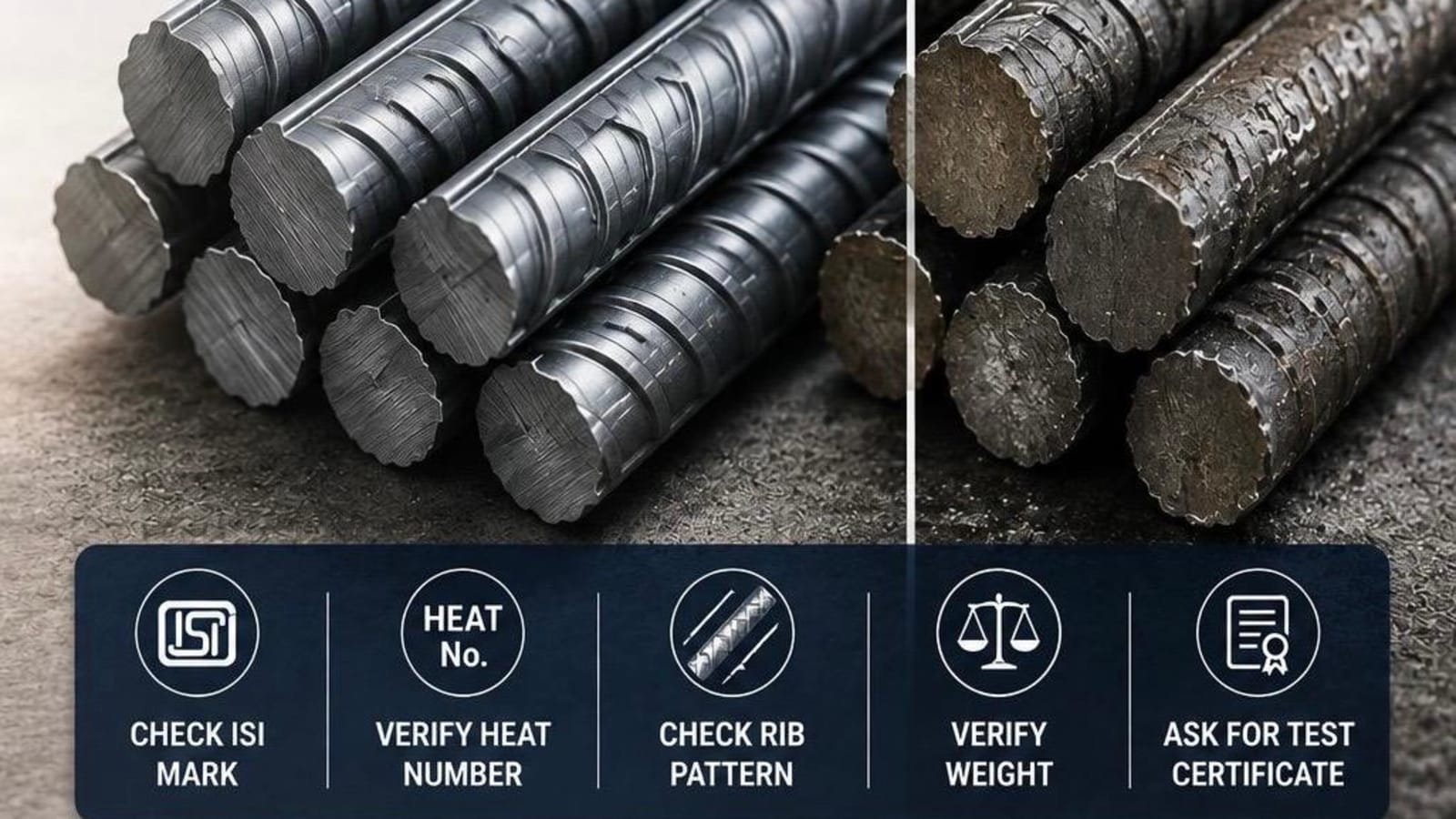
1. Verify certifications from recognized testing laboratories
2. Check for BIS mark or equivalent quality certifications
3. Request mill test certificates that confirm strength specifications
4. Work with established suppliers with proven track records
5. Inspect the bars for surface defects and ensure consistent diameter
6. Request third-party test reports for critical projects
Conclusion
TMT bars are far more than just steel rods—they're the critical structural backbone that determines whether your building will safely stand for generations. Their exceptional strength, flexibility, and durability make them non-negotiable in modern construction.
Whether you're building a small home or a commercial complex, choosing high-quality TMT bars is one of the smartest investments you can make. It's not about saving a few rupees on materials—it's about ensuring the safety, durability, and value of your property for decades to come.